How to Easily Perform Your Marriage Online: A Guide to Online Nikah in Pakistan
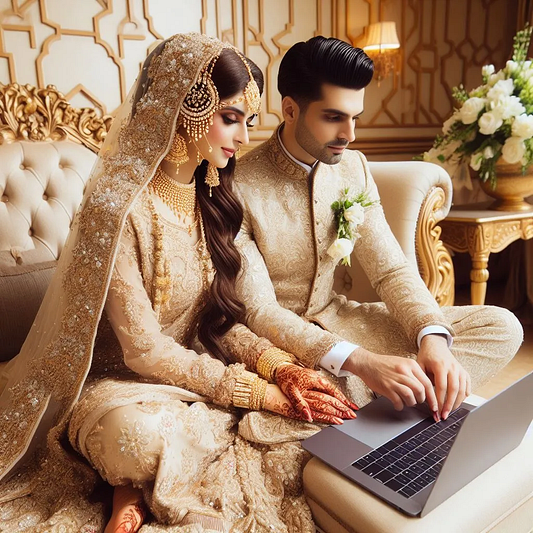
In today’s digital world, couples no longer need to be in the same room or even the same country to perform their marriage ceremony. The concept of Online Nikah has become increasingly common, offering convenience, legal recognition, and a smooth experience for couples who may be overseas, traveling, or unable to attend a traditional ceremony in person. With reliable digital platforms, the marriage process can now be completed securely through video conferencing, proper documentation, and licensed officiants.
As remote solutions continue to evolve, Pakistan has embraced online marriage procedures that make the process both simple and accessible. Whether you live locally or abroad, you can now complete your Nikah legally through a guided system that respects Islamic principles and Pakistani law
What is Online Nikah?
Before remote marriage became popular, couples often had to travel long distances, coordinate schedules, and visit courts or religious institutions for documentation. Today, modern platforms bridge that gap by connecting couples and witnesses online and hosting the ceremony digitally.
An online nikah service works by facilitating everything needed for the marriage including legal verification, scheduling, submission of documents, and virtual participation of witnesses and the Nikah officiant. The entire process is recognized both religiously and legally, as long as the proper steps are followed.
With internet connectivity and a valid identification process, couples can perform their Nikah from anywhere in the world without compromising cultural or legal standards.
Benefits of Online Nikah
Choosing digital marriage services brings several advantages to today’s couples:
Convenience
Many individuals work abroad or live in regions far from home. Traveling for marriage can be expensive, stressful, and time-consuming. A remote solution removes the pressure of logistical arrangements, allowing the ceremony to proceed without delay.
A Safer and More Practical Option
Online marriages became especially popular during global travel restrictions and public health concerns. Even today, many couples prefer the simplicity and safety of executing their ceremony online from their homes.
Cost Saving
There is no need to rent a venue, arrange transportation, or coordinate extensive in-person planning. This makes the process more economical for everyone involved.
Globally Accessible
One of the major advantages of online nikah in Pakistan is that it allows expatriates to marry legally without needing to return to the country. Whether one partner lives abroad or both live overseas, the service ensures they can proceed easily.
Legal Transparency
Proper documentation, signatures, and video recordings make the ceremony verifiable and official. The legal formality of marriage is preserved, providing confidence and full recognition under Pakistani marriage law.
How the Online Nikah Procedure Works
Although online weddings may sound complicated, the experience is typically clear and well-structured. Different service providers may follow slightly different systems, but in general, the online nikah procedure in pakistan includes the following steps:
Step 1 — Initial Consultation
Couples reach out to the service provider to discuss requirements, scheduling, documentation, and questions they may have about the process.
Step 2 — Document Submission
Parties submit necessary documents such as:
- CNIC or Passport
- Photographs
- Guardian information (if required)
- Consent forms
This information is reviewed for accuracy and compliance.
Step 3 — Scheduling the Ceremony
Once the documents are verified, the Nikah date and time are scheduled. Witnesses from both sides are also coordinated to join the ceremony online.
Step 4 — The Virtual Ceremony
The Nikah is conducted in an online meeting through video conferencing. The officiant oversees the religious process, confirms consent, ensures witnesses are present, and completes legal formalities.
Step 5 — Documentation and Certificates
Following the ceremony:
- Marriage registration forms are completed
- Certificates are issued
- Paperwork is processed according to Pakistani marriage laws
This often includes online nikah registration that formally records the marriage
What to Consider Before Choosing a Service
Online marriage services are expanding quickly, and couples should make sure they select a reliable provider. A few things to consider include:
Legal Validity
Ensure the service can complete legal documentation recognized in Pakistan and, if required, abroad.
Licensed Officiants
The platform should work with authorized and experienced legal and religious professionals.
Clear Documentation Procedures
Paperwork should be handled transparently, and you should receive official marriage certificates after the ceremony.
Customer Service Support
A good provider should guide the couple through every step, especially if they are unfamiliar with the online nikah procedure.
With the right service, the process becomes stress-free and streamlined.
Why Online Nikah is Growing in Popularity
Many couples today live modern, mobile lives. Work assignments, travel schedules, and distance often make traditional in-person weddings difficult to coordinate. The increasing trust in digital platforms and the ease of remote legal services have made online nikkah in pakistan a practical and appealing choice.
As long as the service follows proper Islamic requirements and legal standards, couples can have full peace of mind knowing their marriage is recognized and valid.
Final Thoughts
Online marriage has transformed how couples approach one of life’s most meaningful moments. Whether separated by distance or seeking a more convenient experience, modern services allow the ceremony to take place quickly, safely, and professionally.
With proper guidance, licensed officiants, and structured documentation, couples can perform their Nikah confidently from anywhere in the world. Online Nikah in Pakistan has opened the door to a new era of accessible, secure, and legally recognized marriage — without sacrificing tradition or authenticity.

Comments
Post a Comment